measure Pcb production performance
Measuring PCB production performance is essential for evaluating the efficiency, quality, and overall effectiveness of the manufacturing process. With the increasing complexity of modern electronics, it is crucial to ensure that PCBs are produced to the highest standards, meeting both functional and aesthetic requirements. Performance measurement helps identify potential issues early in the production cycle, enabling manufacturers to implement corrective actions and optimize production efficiency. In this article, we will explore the key factors and methods used to measure PCB production performance.
One of the most important metrics in PCB production is the yield rate, which measures the number of functional boards produced relative to the total number of boards manufactured. A high yield rate indicates that the production process is effective and that most of the produced PCBs meet quality standards. Yield rate is calculated by dividing the number of good boards by the total number of boards and multiplying by 100 to get a percentage. Monitoring yield rates helps identify issues such as defective components, poor soldering, or design flaws that may be affecting the production line. A consistently high yield rate indicates stable pcb production, while a low yield rate suggests the need for process improvements.
The defect rate measures the number of defective PCBs in a production batch. Defects can arise from various issues, including faulty components, misalignment during soldering, contamination, or design errors. By tracking the defect rate, manufacturers can pinpoint specific stages of the production process where problems are occurring. A lower defect rate reflects a more efficient production process, whereas a higher defect rate signals the need for adjustments. Identifying the root causes of defects—whether they occur during the PCB design, assembly, or testing stages—can help manufacturers implement targeted improvements and reduce the occurrence of defects in future batches.
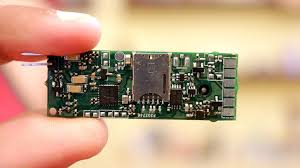
How do you measure Pcb production performance?
Cycle time is the total time required to complete one cycle of the PCB production process, from the initial design phase to the final assembly and testing. It is a critical performance metric because reducing cycle time increases overall throughput and ensures faster delivery times to customers. Cycle time includes all stages of PCB production, such as fabrication, soldering, component placement, and testing. A longer cycle time can indicate inefficiencies, such as bottlenecks in the production line or delays in component sourcing. By measuring cycle time and identifying areas where delays occur, manufacturers can streamline their operations, reduce production costs, and improve delivery timelines.
Cost per unit is another important measure of PCB production performance. It takes into account all expenses associated with the production of each PCB, including material costs, labor, equipment maintenance, and overhead. By tracking the cost per unit, manufacturers can assess the profitability of their production process and identify opportunities for cost reduction. For instance, investing in more efficient machinery, reducing material waste, or optimizing labor can lead to lower production costs. Monitoring cost per unit helps manufacturers balance quality with cost-efficiency and ensures competitive pricing in the market.
On-time delivery rate measures the percentage of PCB orders delivered on time to customers. In today’s fast-paced electronics market, timely delivery is crucial to maintaining customer satisfaction and meeting market demands. Delays in PCB production can lead to missed project deadlines, customer dissatisfaction, and potential loss of business. By tracking the on-time delivery rate, manufacturers can identify inefficiencies in their production processes that may be causing delays, such as extended testing times, lack of component availability, or slow assembly. Improving on-time delivery rates often requires optimizing workflows, enhancing supply chain management, and minimizing production bottlenecks.
Testing and inspection play a critical role in assessing the quality and functionality of PCBs. Various testing methods, such as in-circuit testing (ICT), automated optical inspection (AOI), and flying probe testing, are used to verify the performance and integrity of each PCB. Monitoring the results of these tests is an essential part of measuring PCB production performance, as it ensures that each board meets the required standards. For example, AOI can detect solder bridges, misalignments, and other visual defects, while ICT can assess electrical performance and connectivity. Consistent testing and inspection results contribute to improved yield rates, lower defect rates, and enhanced product reliability.