ipc standards in pcb fabrication and assembly manufacturing
IPC standards play a pivotal role in the PCB (Printed Circuit Board) fabrication and assembly manufacturing industry, serving as a benchmark for quality, reliability, and consistency. These standards, developed by the Association Connecting Electronics Industries (IPC), outline guidelines, specifications, and best practices that govern every aspect of the PCB manufacturing process. From design and materials selection to fabrication and assembly, adherence to IPC standards ensures uniformity, compatibility, and ultimately, the production of high-quality PCBs.
One of the primary reasons for the importance of IPC standards lies in their role in promoting interoperability and compatibility among different stakeholders in the electronics industry. By providing common guidelines and specifications, IPC standards facilitate seamless communication and collaboration between designers, manufacturers, and end-users. This interoperability ensures that PCBs produced by different suppliers adhere to consistent quality and performance standards, regardless of geographical location or manufacturing facility.
IPC standards also play a crucial role in enhancing the reliability and durability of pcb fabrication and assembly. These standards define specific requirements for materials, processes, and manufacturing techniques aimed at minimizing defects, ensuring proper functionality, and maximizing the lifespan of electronic assemblies. Adhering to IPC standards helps manufacturers identify potential issues early in the production process, enabling them to implement corrective measures and prevent costly failures or recalls down the line.
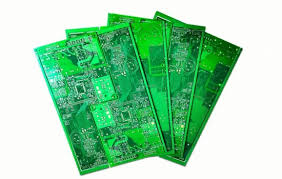
what is the importance of ipc standards in pcb fabrication and assembly manufacturing?
Moreover, IPC standards contribute to the continuous improvement of manufacturing processes and technologies within the PCB industry. As technology advances and new materials and techniques emerge, IPC standards evolve to reflect the latest developments and best practices. This iterative process of standardization fosters innovation and drives efficiency gains, ultimately leading to higher-quality products and greater customer satisfaction.
Another critical aspect of IPC standards is their role in ensuring compliance with regulatory requirements and industry certifications. Many regulatory bodies and industry organizations recognize IPC standards as benchmarks for quality and safety in electronic manufacturing. Compliance with these standards not only demonstrates a manufacturer’s commitment to quality but also facilitates access to markets and customers that require adherence to specific standards or certifications.
Furthermore, IPC standards contribute to the overall cost-effectiveness of PCB manufacturing by promoting efficiency, reducing waste, and minimizing rework. By providing clear guidelines and specifications for each stage of the manufacturing process, IPC standards help streamline operations, optimize resource utilization, and minimize errors and defects. This, in turn, translates into lower production costs, improved yield rates, and higher profitability for manufacturers.
In addition to their role in traditional PCB manufacturing, IPC standards also play a crucial role in emerging technologies and applications such as flexible and rigid-flex PCBs, high-density interconnects (HDI), and additive manufacturing. As these technologies become increasingly prevalent in various industries, IPC standards provide essential guidance and validation for manufacturers seeking to adopt and implement these advanced manufacturing techniques effectively.
In conclusion, the importance of IPC standards in PCB fabrication and assembly manufacturing cannot be overstated. These standards serve as a cornerstone of quality, reliability, and consistency in the electronics industry, facilitating interoperability, promoting innovation, ensuring compliance, and driving efficiency gains. By adhering to IPC standards, manufacturers can produce high-quality PCBs that meet the stringent requirements of modern electronic applications, ultimately contributing to the advancement of technology and the success of businesses worldwide.